Mountain Trail Vehicle Control succeeds by making every incline and descent feel meaningful. The physics engine creates genuine tension as you balance power and traction on loose surfaces. Course variety keeps the experience fresh, with each trail demanding different approaches. The gradual difficulty curve ensures newcomers can learn while veterans find satisfying challenges. Vehicle handling differences add replay value without overwhelming players with complex systems. This is a focused driving experience that respects the player's time.
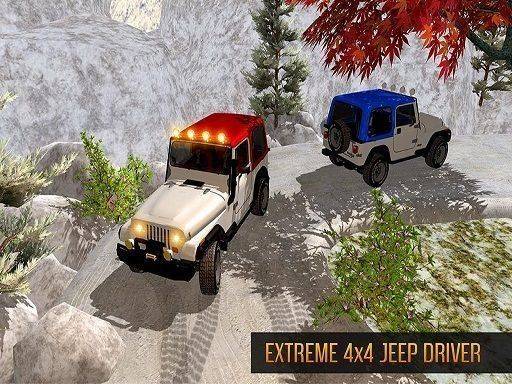
Mountain Trail Vehicle Control places you in command of a rugged off-road vehicle traversing challenging landscapes. The core gameplay revolves around maintaining forward momentum while adapting to constantly shifting terrain conditions. Unlike traditional racing games that emphasize pure speed, this experience prioritizes careful throttle modulation and steering precision. Players quickly learn that aggressive inputs lead to loss of control, while measured responses keep the vehicle stable on steep ascents and descents.
The simulation engine creates a convincing sense of weight and momentum. Each vehicle responds differently to terrain changes, with factors like tire grip and suspension travel affecting how the car handles bumps and inclines. When climbing steep grades, the front end may lift if too much power is applied, requiring drivers to feather the accelerator. Descending demands similar care to prevent the vehicle from tipping forward. These physics elements make every run feel distinct and unpredictable.
Each trail presents a unique combination of obstacles and elevation changes. Some routes feature tight switchbacks that test turning radius, while others include loose gravel sections that reduce traction. The visual design supports gameplay by clearly indicating surface changes through texture and color variations. As players progress, they encounter longer courses with more complex sequences of climbs and descents, encouraging them to develop consistent driving techniques.
Completing courses unlocks access to different vehicle types, each with distinct handling profiles. Some vehicles offer better stability on rough terrain, while others provide quicker acceleration on flat sections. This variety gives players reasons to revisit earlier courses with new vehicles to compare performance. The progression system rewards persistence without requiring perfection, as even partial completion of a difficult section contributes to overall advancement.
The control scheme emphasizes gradual inputs rather than sudden corrections. Steering, acceleration, and braking all respond with a natural delay that mimics real vehicle dynamics. This design choice means players must anticipate upcoming terrain changes rather than react at the last moment. The interface provides clear visual feedback through vehicle body language, such as wheel spin or chassis tilt, helping drivers understand when they are approaching the vehicle's limits.


Player Comments
Sign in to comment
You must be logged in before posting a review or rating.
No account? Create one
No comments yet. Be the first to comment!