Reviews
N-Gon provides a satisfying puzzle experience with its clever portal mechanics and gradual difficulty. The tutorial is helpful, and the controls are responsive. It offers good replay value for those who enjoy solving maze-based challenges. The game is well-suited for casual play and can be completed in a short session.
About this game
Game Introduction
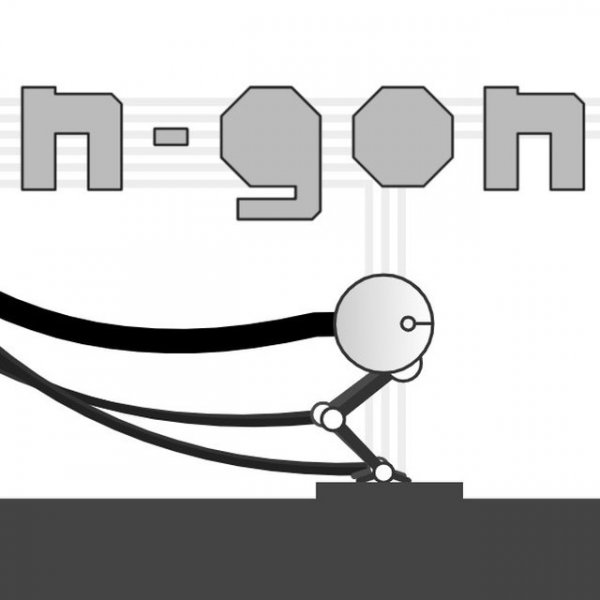
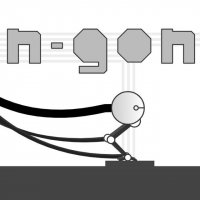
N-Gon is a puzzle game that places you in control of a small robot exploring a vast labyrinth of tunnels. The tunnels are linked by portals that activate when the robot enters them, allowing for instant travel between connected areas. The game starts with a helpful tutorial that teaches basic movement, jumping, and using the robot's energy to push or throw objects. As you progress, the puzzles become more complex, leading to a surprising conclusion. Developed by lilgreenland, this HTML5 game runs smoothly on all modern browsers and supports full screen on PCs, mobile phones, and tablets. It is rated 3+ and is safe for all players.
How to Play
To play N-Gon, use the AWSD keys to move your robot through the labyrinth. Interact with objects using your mouse. During the tutorial, you will learn to move through tunnels, jump over obstacles, and use your robot's energy to push or throw objects. Crouch under low barriers and jump over high ones. Portals activate when you enter them, teleporting you to connected tunnels. Master these controls to navigate the maze and reach the end.
Game Features
Family-friendly puzzle adventure with portal mechanics. Simple controls that are easy to learn. Works on all devices with a modern browser. Tutorial level helps new players get started. Suitable for all ages with a 3+ rating.
Tips for Success
Practice using the robot's energy to push and throw objects, as this is key to solving many puzzles. Pay attention to the layout of tunnels and portal connections, as efficient navigation saves time. Take advantage of the tutorial to master basic controls before tackling harder levels. Experiment with different approaches when stuck, and remember that crouching and jumping are essential for overcoming obstacles.
❓ Having issues?
✅ This game supports:
- Desktop browsers (Chrome, Edge, Safari)
- Mobile browsers (Chrome on Android, Safari on iOS)
❌ Does NOT support:
- Internet Explorer
- Very old browser versions
👉 Try refreshing or updating your browser
 PlayPulse